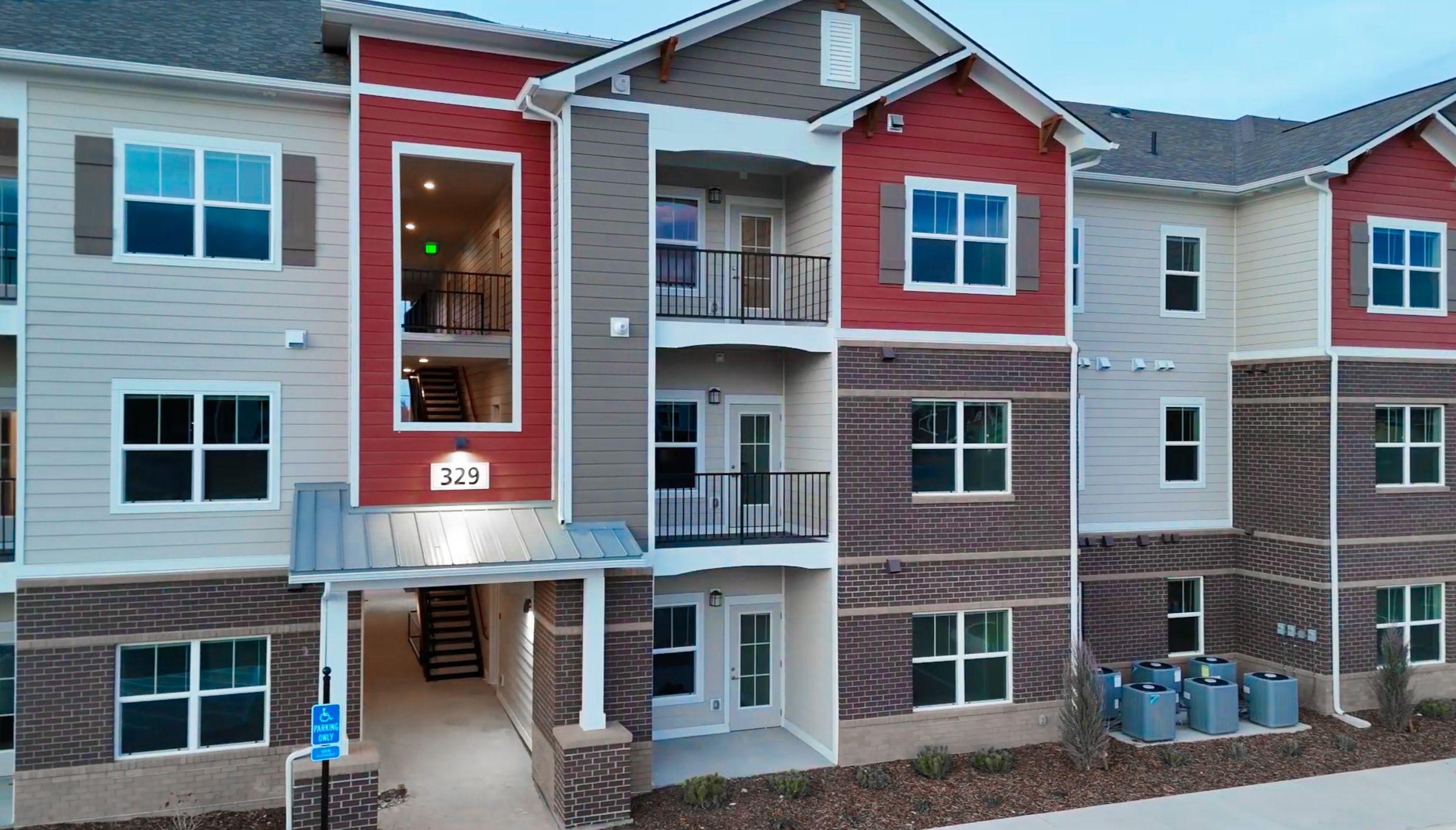
James Hardie vs. Vinyl Siding: What's the Difference?
Vinyl is cheaper upfront, but how does it hold up in Idaho's climate versus James Hardie fiber cement? An honest, side-by-side comparison.
When it comes time to replace your siding, the two most common options homeowners in Idaho compare are vinyl and James Hardie fiber cement. Vinyl wins on upfront cost. James Hardie wins on nearly everything else. Here's an honest, detailed breakdown to help you make the right decision for your home.
What is vinyl siding?
Vinyl siding is made from PVC (polyvinyl chloride) plastic. It's lightweight, inexpensive to manufacture, and easy to install, which is why it became popular in the 1980s and 1990s as a low-cost alternative to wood. Modern vinyl siding has improved considerably, but it's still fundamentally a plastic product with the limitations that implies.
What is James Hardie fiber cement?
James Hardie fiber cement is a composite material made from Portland cement, ground sand, and cellulose fibers. James Hardie pioneered modern fiber cement siding and holds the dominant market position in North America. Their products include region-specific formulations. Their HZ5 product line is engineered specifically for climates like Idaho's, with moisture resistance designed for significant freeze-thaw cycling.
Cost comparison
Vinyl siding typically costs $5–$10 per square foot installed. James Hardie fiber cement ranges from $10–$18 per square foot installed. On a 2,000 sq ft home, that's roughly a $10,000–$16,000 difference upfront. However, the lifetime cost picture is very different. Vinyl requires repainting and tends to need replacement in 15–20 years in Idaho's climate. James Hardie with Color Plus doesn't need repainting for 15+ years and is backed by a 30-year substrate warranty. Over a 30-year period, the total cost of ownership is often similar or lower with fiber cement.
Performance in Idaho's climate
- Fire resistance: Vinyl melts and contributes to flame spread. James Hardie is non-combustible, critical in Idaho's wildfire-prone regions.
- Hail resistance: Vinyl cracks and shatters in hail. James Hardie's impact resistance handles hailstorms that regularly affect Idaho and Eastern Washington.
- UV resistance: Vinyl fades noticeably within 5–10 years of Idaho's intense high-altitude sun. Color Plus technology holds color for 15+ years.
- Freeze-thaw performance: Vinyl becomes brittle in cold and can crack with repeated freeze-thaw cycles. James Hardie's HZ5 formulation is engineered for this.
- Heat warping: Vinyl can soften and warp on south-facing walls with direct summer sun exposure. Fiber cement does not warp.
Aesthetics and curb appeal
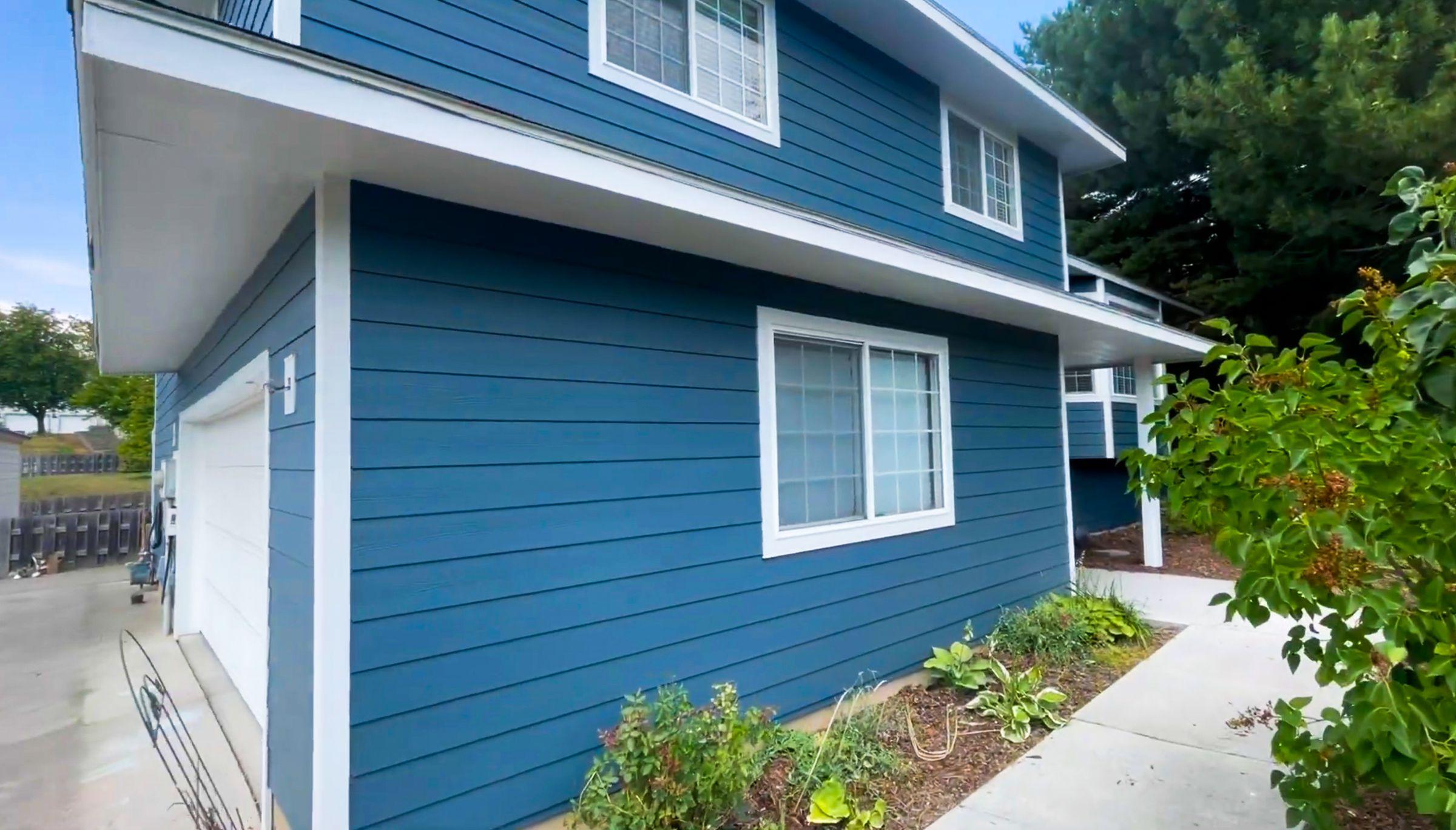
Vinyl siding has a distinctive plastic sheen that's immediately recognizable, especially up close or with premium finishes removed. James Hardie fiber cement has the texture and appearance of natural wood because it's manufactured with a wood-grain texture pattern. Appraisers consistently value homes with fiber cement siding higher than comparable vinyl-sided homes, and real estate agents in Idaho report that fiber cement is a more compelling selling point to buyers.
The bottom line
Vinyl is the right choice if upfront cost is the primary driver and you plan to sell or replace the siding within 15 years. James Hardie fiber cement is the right choice if you want the best performance, longest warranty, greatest fire safety, and highest long-term value. For the vast majority of Idaho homeowners who plan to stay in their home, fiber cement delivers a better outcome over any timeframe beyond 10 years.
Want to see James Hardie in person?
We bring samples to your home during your free estimate so you can see and feel the difference firsthand.
Get Free Estimate
Idaho's Elite Preferred James Hardie contractor. Family-owned, serving all of Idaho and Eastern Washington since 2021.
Ready to get started?
Get a free, no-obligation estimate from Idaho's Elite Preferred installer.
Get Free Estimate(208) 230-4168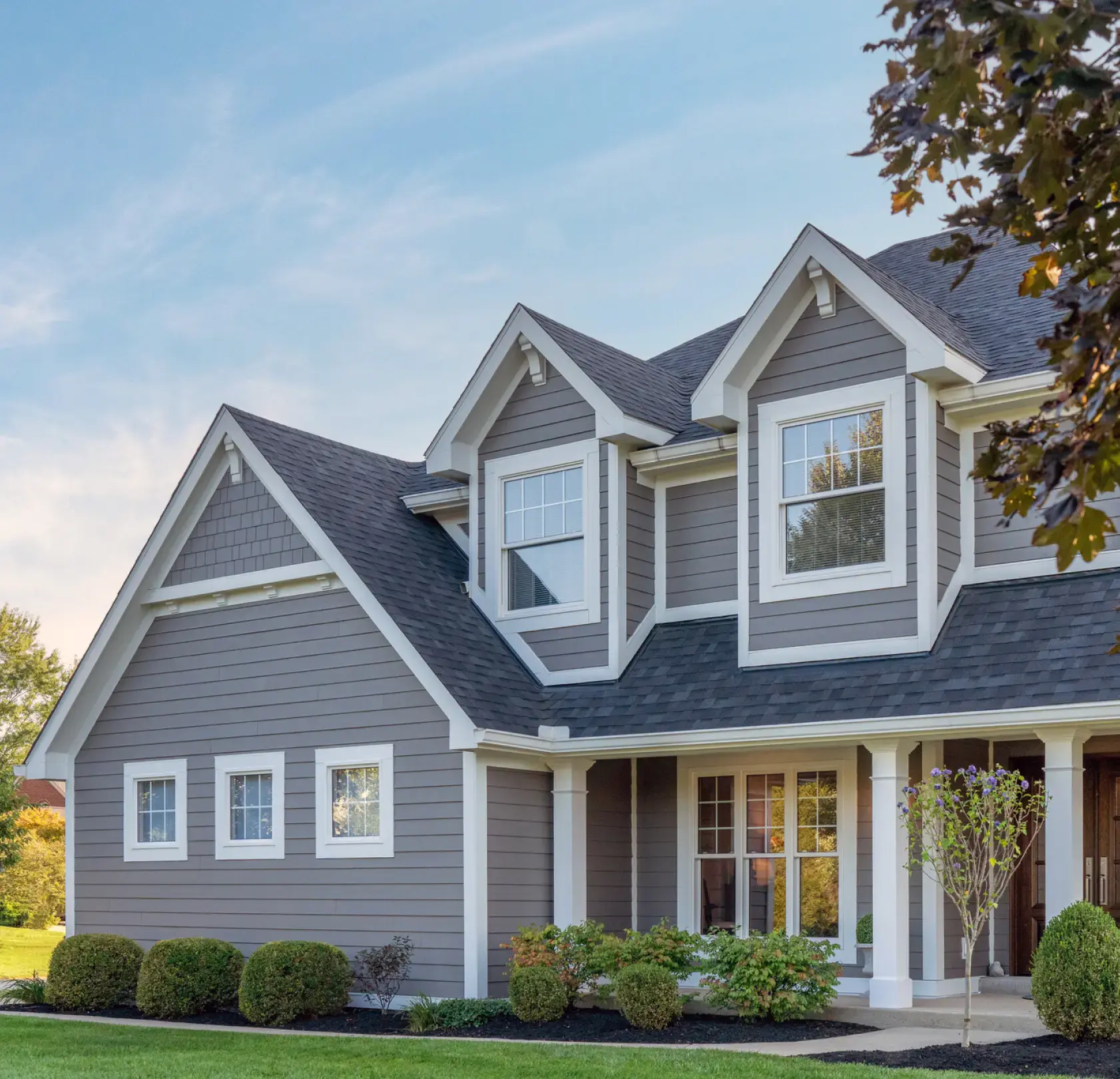
Ready to get your siding project started?
Idaho's Elite Preferred James Hardie installer. Free estimates, no obligation.